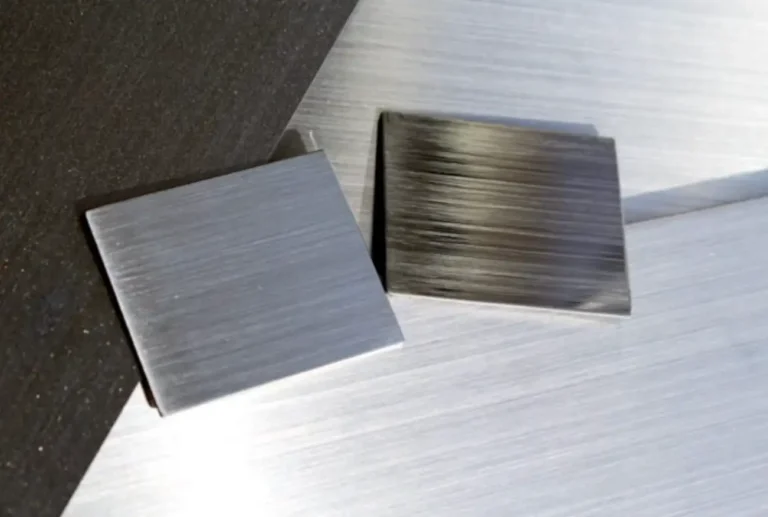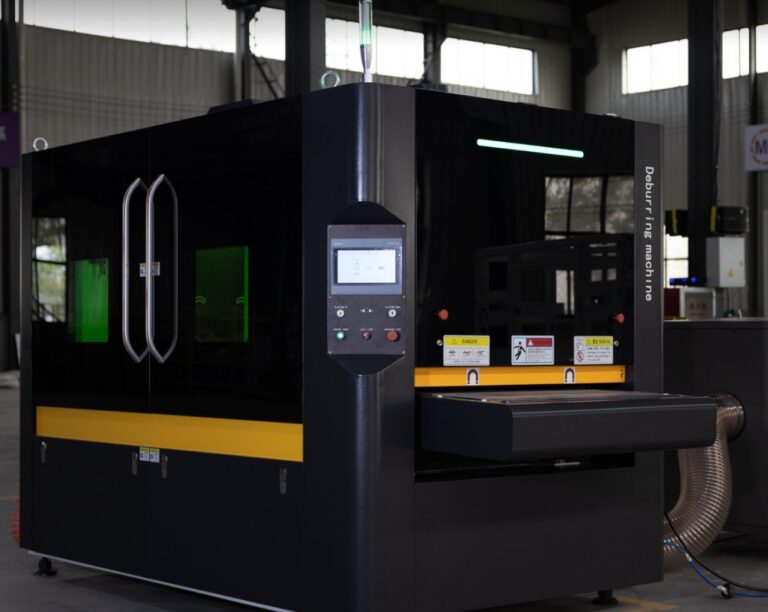
Beginning at extensive assessment pertaining to computerized mechanisms fabricated purposed for edge finishing provide changed assembly methods, ensuring significant advancements towards swiftness and caliber. This report details the broad types of devices, incorporating abrasive sanding components, oscillating devices, and cutting-edge computer-controlled tools. We will explain the merits of adopting these technologies, comprising minimized labor costs, improved production steadiness, and greater fabrication capacity.
Border Rounding Instruments: Precision Finalizing Explained
Rim rounding apparatuses offer a sophisticated solution for generating precise completion on elements. In contrast with manual ways, these computerized fixtures provide stable returns and decidedly increase construction effectiveness. Those units habitually use assorted cutting devices like whirling rotors, finishing wheels, or tailored configurations to shed sharp profiles and roughness. That kind of operation is key in a broad variety of domains, containing medical and technology.- Elevate covering quality
- Minimize processing fees
- Amplify throughput and productivity
Scale Removal Machines: Achieving Pure, Superior Finishes
Contemporary metalworking operations consistently create significant amounts of byproducts, a byproduct that, if overlooked, can severely affect the finish of the material. Fortunately, advanced byproduct management systems offer a steady solution. These focused machines, employing techniques like buffing, are designed to exhaustively eliminate this unwanted material, ensuring a spotless and excellent surface. The resulting benefits include lessened rejection rates, augmented aesthetic appeal, and an overall gain in throughput. By utilizing cutting-edge slag removal technology, manufacturers can consistently deliver exceptional surfaces and comply with stringent quality specifications.
Thin Sheet Refinishing: The Benefits of Deburring Devices
Achieving a excellent surface on sheet metal segments is imperative for durability, and deburring mechanisms supply major profits over physical methods. Eliminating burrs speedily not only increases the cosmetic quality of the piece, but also prevents foreseeable issues during production and employment. Furthermore, digital deburring techniques strengthen manufacturing tempos and lower manpower expenses.
Refining Sheet Metal Production with Automatic Deburring
In order to raise productivity in sheet metal processing, consider self-operating deburring systems. Conventional deburring is ordinarily slow and subject to inconsistencies. Transitioning to robotic deburring grants weighty gains, containing reduced human resources spending, augmented product excellence, and increased fabrication speed. Such investments are able to effectively pay off.Choosing the Appropriate Deburring Device for Your Task
Evaluating the top deburring machine for your unique needs entails a precise assessment of several features. Initially, examine the kind of medium you're managing – alloy requires varied techniques than plastic. Afterward, examine the scale and design of the sections needing surface refinement. Finally, review your manufacturing rate; a continuous operation commands a distinct type of equipment than a occasional one. Omitting to recognize these considerations probably yields inadequate results and rising spending.
Edge Unit Method: Evolutions and Improvements
Contemporary burr elimination tool approach is encountering rapid progress, caused by the requests for enhanced quality and productivity in production processes. Central progressions contain the embedding of intelligent platforms for adaptable deburring activities, alongside breakthroughs in polishing method. We're also perceiving a expansion in mobile burr eliminating machines built for targeted uses, and innovative systems like electron beam edge-removal are winning acceptance. The prospect points towards heightened networking of edge-removal mechanisms within the intelligent workshop location.
Upgrading Metal Segment Reliability with Outline Beveling
Many constructing processes for iron parts introduce sharp edges, which can create stress spots and weaknesses that weaken overall lifespan. Profile rounding, a simple yet impactful formula, offers a straightforward solution. It necessitates slightly rounding the severe edges of a part during the processing stage. This reduces stress spots, improves performance effectiveness, and can stop damaging. Benefits are further amplified when dealing with elaborate configurations or parts subjected to intense pressure. Considerations include the preferable radius of the softened edge and its outcome on fitting with other parts.
- Lowers Stress Accumulates
- Increases Longevity Performance
- Deters Damaging
Dross Disposal vs. Edge : Recognizing the Separations
Although many operators use the names “slag elimination” and “deburring” confusingly, they identify distinct methods in metal construction procedures. Deburring focuses on eradicating the sharp, often tiny, roughness created during machining operations—these are excess fragments of non-ferrous left on the module. Slag processing, conversely, addresses an second product – typically a synthesis of oxides – that occurs during processes like smelting. Essentially, deburring deals with subsidiary perimeters, while Slag Removal slag removal deals with a residue of a alternative technique. To sum up, intelligent deburring and slag removal systems are crucial components of modern metal processing that deliver top-notch finished products with decreased defects and boosted efficiency.Ending the report asserts the notable role of high-tech automated deburring technologies in boosting construction requirements and guiding businesses obtain superior productivity and grade.