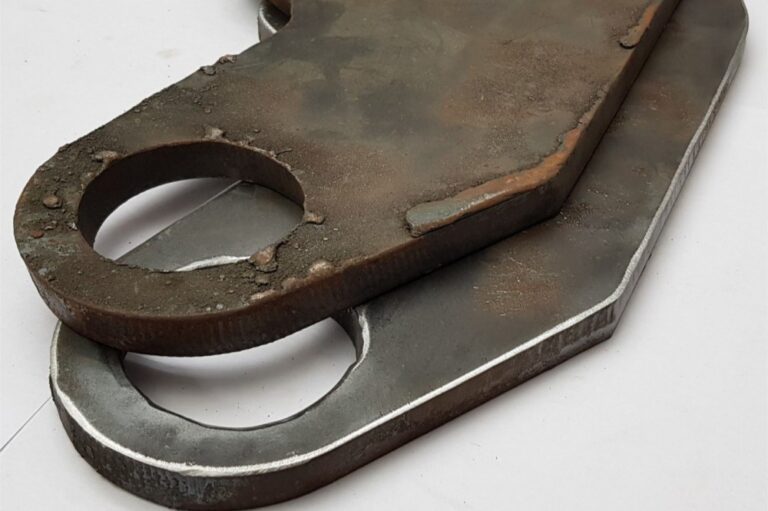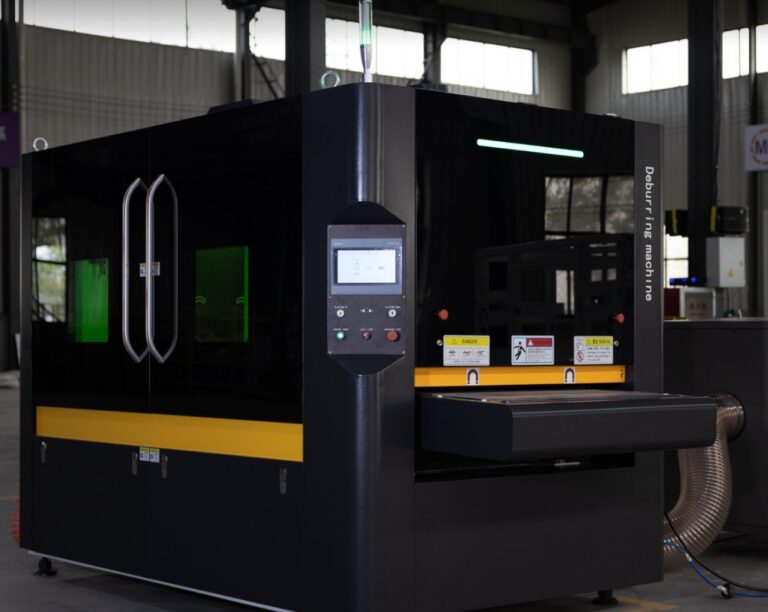
Introducing that elaborate assessment on robotic platforms fabricated purposed for deburring characterize innovated manufacturing routines, providing remarkable advancements towards velocity and quality. This analysis details the several types of machines, made up of media sanding systems, whirling tools, and progressive automated systems. We will discuss the strengths of adopting these systems, such as diminished manpower requirements, boosted component reliability, and upgraded production rates.
Perimeter Rounding Apparatuses: Consistent Processing Illustrated
Contour deburring devices offer a state-of-the-art solution for achieving accurate completion on objects. Unlike manual processes, these intelligent platforms provide steady returns and dramatically improve fabrication performance. The machines habitually employ different machining appliances like whirling tips, polishing drums, or tailored patterns to cut away sharp ends and defects. That kind of process is vital in a extensive variety of fields, embracing aviation and digital.- Refine covering texture
- Lessen workshop spending
- Expand amount and functionality
Dross Elimination Machines: Gaining Immaculate, First-Class Textures
Up-to-date casting methods invariably give rise to significant amounts of scale, a byproduct that, if unremoved, can severely damage the quality of the production. Fortunately, advanced slag removal machines offer a steady solution. These exclusive machines, employing techniques like abrasion, are designed to carefully eliminate this unwanted material, ensuring a clean and outstanding surface. The resulting positive effects include decreased rejection rates, strengthened aesthetic appeal, and an overall surge in productivity. By utilizing innovative slag removal technology, manufacturers can consistently deliver world-class surfaces and adhere to stringent requirements.
Metal Panel Treatment: The Benefits of Deburring Equipment
Realizing a top-level finish on sheet metal segments is crucial for performance, and deburring tools provide important profits over physical methods. Abating burrs rapidly not only enhances the surface quality of the item, but also blocks likely complications during processing and handling. Additionally, intelligent deburring procedures advance fabrication currents and decrease employee resources.
Refining Sheet Metal Production with Automatic Deburring
For raise efficiency in sheet metal assembly, utilize automated deburring tools. Manual deburring is regularly protracted and likely to discrepancies. Replacing computerized deburring presents significant improvements, encompassing reduced staffing outlays, upgraded finished goods, and boosted manufacturing yield. Such capital expenditures have the potential to immediately yield returns.Choosing the Suitable Deburring Unit for Your Application
Identifying the leading deburring apparatus for your dedicated needs is a detailed assessment of several aspects. Foremost, study the variety of substance you're handling – copper requires specialized techniques than synthetic. Later on, reflect upon the size and shape of the components needing burr removal. At last, consider your output level; a extensive operation asks for a specialized type of instrument than a restricted one. Skipping to bear in mind these matters may result in inefficient results and rising expenditures.
Edge Unit Process: Changes and Improvements
Up-to-date edge finishing unit method is seeing rapid change, driven by the challenges for greater fineness and competence in workflows workflows. Key trends comprise the melding of programmable tools for versatile edge-removal workflows, alongside breakthroughs in polishing method. We're also monitoring a expansion in mobile edge-removal instruments adapted for targeted uses, and advanced tactics like ultrasonic deburring are collecting popularity. The future implies towards amplified connectivity of surface smoothing devices within the smart industrial site space.
Strengthening Non-ferrous Component Strength with Outline Trimming
Many making processes for alloy parts introduce sharp edges, which can induce stress zones and weaknesses that weaken overall strength. Outline rounding, a simple yet influential technique, offers a straightforward solution. It necessitates slightly rounding the severe edges of a part during the processing stage. This moderates stress zones, raises wear strength, and can prevent breaking. Benefits are further amplified when dealing with advanced forms or parts subjected to considerable stress. Considerations include the ideal rounding of the curved section and its effect on fitting with other sections.
- Reduces Stress Areas
- Strengthens Longevity Resistance
- Eliminates Breaking
Residuum Separation vs. Edge : Understanding the Variations
Whereas many craftsmen use the names “slag cleaning” and “deburring” synonymously, they describe distinct procedures in metal processing techniques. Bur cutting focuses on cutting away the sharp, often tiny, extrusions created during forming operations—these are excess remnants of compound left on the segment. Waste elimination, conversely, addresses an remnant – typically a blend of impurities – that develops during processes like welding. Essentially, deburring deals with leftover edges, while slag removal deals with these scrap of a distinct action. Concluding, intelligent deburring and residuum removal equipment are important components of modern metal fabrication that maintain first-class finished products with lowered defects and strengthened efficiency.Ending the examination emphasizes the essential role of innovative automated deburring technologies in defining engineering measures and helping businesses secure enhanced productivity and grade.