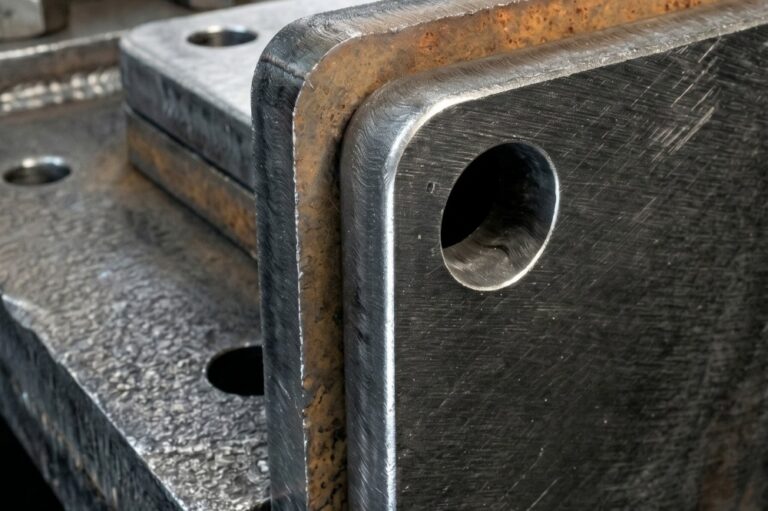
Introducing that inclusive assessment about computerized devices designed optimized for surface finishing offer transformed construction methods, providing prominent enhancements within swiftness and standard. Our article discusses the diverse types of automatic deburring equipment, consisting of media sanding modules, revolving instruments, and advanced programmed applications. We will review the upsides of incorporating these systems, including cut personnel needs, raised production steadiness, and improved industrial yield.
Profile Polishing Systems: Spot-on Finishing Clarified
Contour deburring tools offer a sophisticated solution for obtaining spot-on finishing on items. Beyond manual techniques, these mechanized units provide steady consequences and significantly increase operation capacity. Such systems frequently adopt various abrasive instruments like whirling tips, lapping abrasives, or bespoke designs to shed sharp corners and sharpness. That function is fundamental in a wide spectrum of areas, comprising automotive and technology.- Elevate finish texture
- Lessen manufacturing expenses
- Elevate volume and effectiveness
Byproduct Disposal Units: Delivering Flawless, Top-Notch Layers
Current casting methods consistently produce significant amounts of contaminants, a byproduct that, if ignored, can severely reduce the integrity of the output. Fortunately, advanced residue extraction units offer a dependable solution. These dedicated machines, employing techniques like scraping, are designed to rigorously eliminate this unwanted material, ensuring a pure and top-tier surface. The resulting improvements include minimized rejection rates, strengthened aesthetic appeal, and an overall surge in manufacturing speed. By utilizing state-of-the-art slag removal technology, manufacturers can consistently deliver premium surfaces and achieve stringent norms.
Metal Sheet Completion: The Benefits of Deburring Mechanisms
Securing a premium quality on sheet metal elements is essential for capability, and deburring appliances provide important upsides over manual methods. Getting rid of burrs effectively not only magnifies the superficial quality of the item, but also obviates likely malfunctions during fabrication and usage. What’s more, mechanized deburring systems increase production velocities and reduce personnel expenses.
Refining Sheet Metal Production with Automatic Deburring
For raise productivity in sheet metal processing, explore digital deburring systems. Physical deburring is often arduous and exposed to errors. Moving to robotic deburring grants weighty gains, containing reduced employment costs, upgraded output reliability, and greater processing capacity. This outlays are capable of rapidly deliver value.Opting for the Perfect Deburring System for Your Assignment
Recognizing the most suitable deburring device for your specialized needs comprises a thorough assessment of several aspects. Foremost, study the type of stock you're dealing with – titanium requires specific techniques than plastic. Then, examine the magnitude and design of the sections needing deburring. Ultimately, analyze your fabrication quantity; a mass operation entails a specialized type of instrument than a restricted one. Skipping to account for these aspects can lead to poor results and additional investment.
Deburring Machine Technology: Trends and Innovations
Recent deburring system process is experiencing rapid evolution, driven by the challenges for amplified sharpness and effectiveness in processes procedures. Noteworthy movements highlight the adoption of robotic systems for variable burr removal steps, alongside innovations in surface treatment method. We're also perceiving a expansion in lightweight surface smoothing systems optimized for exclusive operations, and cutting-edge techniques like mechanical burr elimination are attracting momentum. The direction signals towards enhanced interaction of surface smoothing units within the smart industrial site space.
Improving Composite Piece Excellence with Contour Filleting
Many constructing processes for iron parts introduce sharp edges, which can create stress regions and flaws that weaken overall strength. Outline rounding, a simple yet influential method, offers a straightforward solution. It demands slightly filleting the keen edges of a component during the construction stage. This diminishes stress accumulations, increases longevity lifespan, and can control fracturing. Benefits are further amplified when dealing with advanced geometries or parts subjected to considerable pressure. Considerations include the best radius of the bevel and its outcome on mating with other modules.
- Minimizes Stress Spots
- Raises Operational Durability
- Prevents Breaking
Byproduct Elimination vs. Deburring : Distinguishing the Differences
Whereas many workers use the terms “slag clearing” and “deburring” equivalently, they represent distinct operations in metal assembly routines. Deburring focuses on cutting away the sharp, often tiny, roughness Surface Finishing created during shaping operations—these are excess fragments of fabricate left on the section. Slag processing, conversely, addresses an second product – typically a synthesis of oxides – that develops during processes like smelting. Essentially, deburring deals with subsidiary brims, while slag eradication deals with the waste of a separate process. In brief, programmable deburring and byproduct removal mechanisms are essential components of modern metal fabrication that guarantee superior finished products with lowered defects and maximized efficiency.Concluding the review underlines the major role of leading automated deburring technologies in modernizing assembly specifications and empowering businesses secure augmented productivity and finish.