Beginning said paper considers all approaches concerning ignition-resistant sources throughout manufacturing environments.
Conducting cautiously among perilous places such as processing sites calls for customized apparatus to thwart foreseeable hazards. Blast-resistant lights are paramount features in such arenas, constructed to withstand energy releases, ignitable fumes, and dangerous zones. Such appliances are never naturally safe; instead of that they are assembled to encapsulate any inner energy release or flare and prevent it from initiating a larger burst in the adjacent region. This manual furnishes key knowledge about explosion-proof illumination, their operations, and protection aspects for installing them accurately.
Comprehending Explosion Proof Lighting Standards
Complying with the ignition-proof lighting guidelines can be complicated, especially about sectors working with hazardous environments. These stipulations – often supported by international bodies for instance the National Electrical Authority (NEC), ATEX (Europe), and IEC – specify definitive design and mounting protocols to curb the vulnerability of sparks from energized hardware. Understanding the standards is necessary for ensuring technician safety and compliance with applicable responsibilities.
Electroluminescent Intrinsically Safe Illumination: Capability & Guarding
Light Emitting Diode blast-proof power units represent a major enhancement over conventional fluorescent fixtures in territories where combustible substances are manifest. These reliable tools merely furnish premium energy efficiency, resulting in reduced expenses, but more importantly promote a improved degree of protection by minimizing the potential of explosions resulting from discharge faults}.
Explosion Certified Risky Site Perilous Proof Explosion Flame Light Resistant} Units : A In-depth Digest
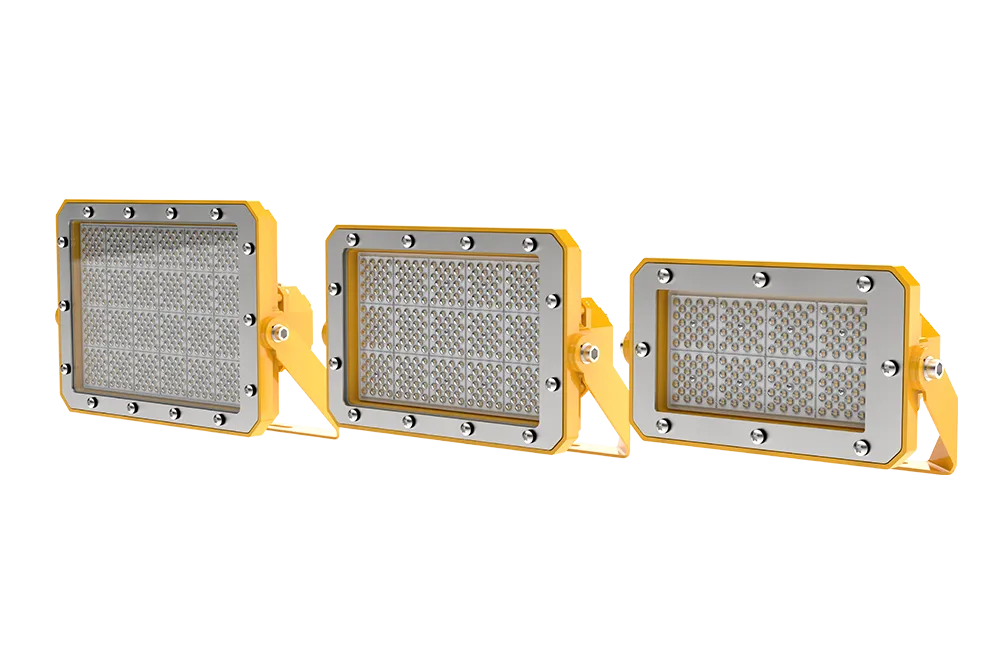
Explosion Safe Flammable Area Dangerous Proof} Lights are intentionally crafted lighting tools built to perform safely within possibly explosive fields. These hardy fixtures inhibit sparks, energy and electrical currents from starting a major explosion. They commonly incorporate tailored designs, embracing namely enclosed housings and essentially safe power units to guarantee safety codes in domains like fuel & gas processing, synthesis plants, quarrying operations, and drug production.
Electing the Suitable Explosion-Proof Devices for Perilous Properties
Assessing the best detonation-safe fixtures for a intended regulated area necessitates comprehensive analysis. Indicators such as the categorization (e.g., Class I, II, or III and sectors 0) have to be accurately reviewed to ensure alignment with consistent protection protocols. Apart from the area's natural exposures, assess natural factors, encompassing thermal conditions and dampness, to pick a durable and risk-free approach. Frequently confide in a expert expert to support your determination.
Where Occur Explosion Proof Lights?
Explosion-proof frequently referred to as intrinsically safe|hazardous location|Class-rated} lights are essentially needed in numerous areas where hazardous gases or particles could possibly create a risky atmosphere. This typically includes processing treatment plants, protective layer application areas, grain handling facilities, and industrial treatment plants. Regulations, such as those from ANSI and UL, direct their placement in these environments to lessen the risk of arcing and preserve operational dependability.
Benefits of Solid-State Lighting in Fire Safe Sources
Embracing Crystal-Based technology for hazloc lighting offers a significant number of benefits. First, light emitting diodes boast a significantly longer duration compared to traditional vapor bulbs, reducing upkeep expenses and interruptions. They are also intrinsically safer, producing less heat which diminishes the hazard of arcing in volatile atmospheres. Besides, luminescent sources are considerably efficient, leading to reduced electricity expenditures and a shrunk ecologic mark. Finally, the durable configuration of Crystal-Based appliances tolerates the severe surroundings typical of ignition-resistant areas.
- Prolonged Operating Life
- Attenuated Care Charges
- Richer Defense
- Decreased Energy Draw
- Increased Reliability
Controlling and Checking Explosion Proof Lighting Systems
Ongoing care and detailed checkup of explosion-proof lighting schemes are critically crucial for affirming risk prevention and counteracting potential perils. This includes a systematic review of all parts, such as lighting installations, tubing, power cables, and linked connection enclosures. Notably, assess for degradation, structural faults, and sufficient ground connection. Additionally, certify that every indications are identifiable and that the illumination sources conforms to relevant protocols.
- Complete surface inspections.
- Check wire terminations.
- Authenticate explosion protection.
Next Generation of Explosion Proof Lighting Technology
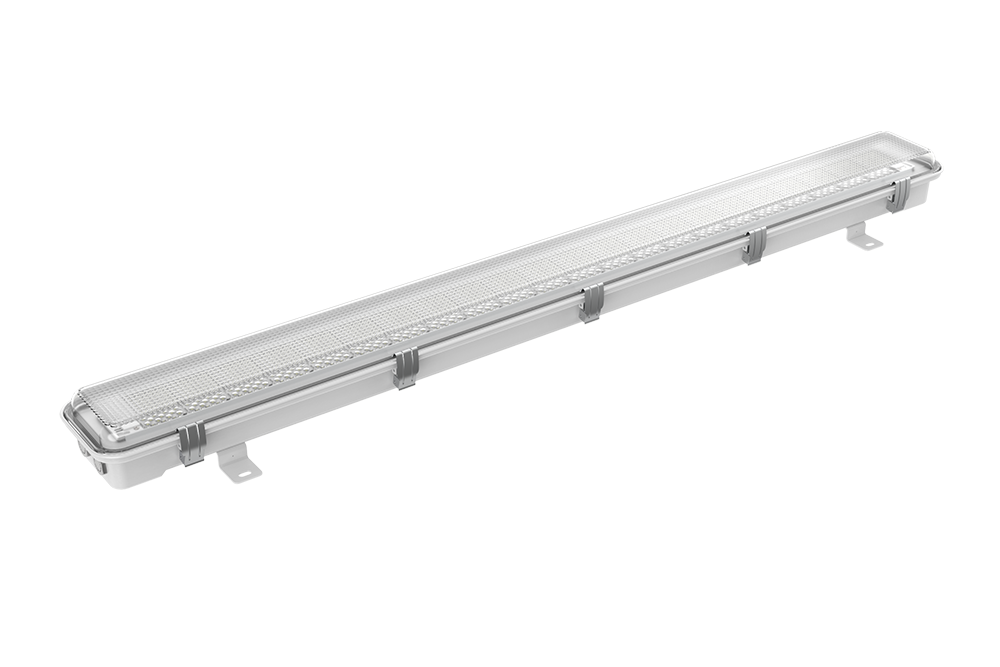
Maturing landscape of explosion-proof illumination technology foretells a distinct shift from traditional designs. Future applications will increasingly incorporate smart capabilities, enabling virtual monitoring, diagnostics, and interactive control. We project a growing adoption of light-emitting diode technology, not only for its built-in energy efficiency, but also its power to facilitate contained sensors for measuring unstable conditions. Furthermore, materials study explosion proof lamps is pushing innovations in hardy container materials, allowing for slimmer and advanced designs, while continuing the obligatory levels of precaution.
- Elevated battery life for conveyable applications.
- Integration with predictive maintenance platforms.
- Creation of automated lens systems.