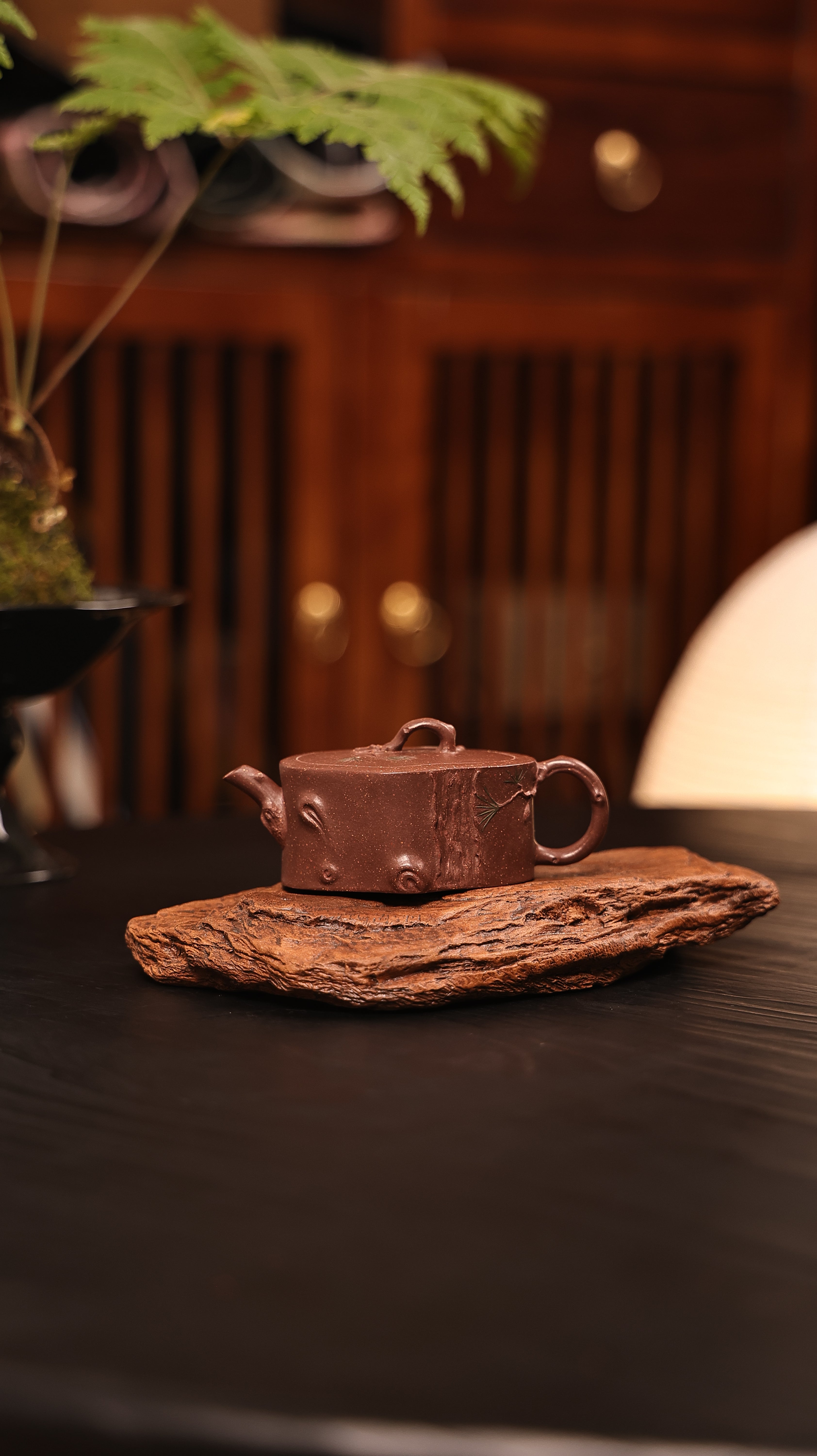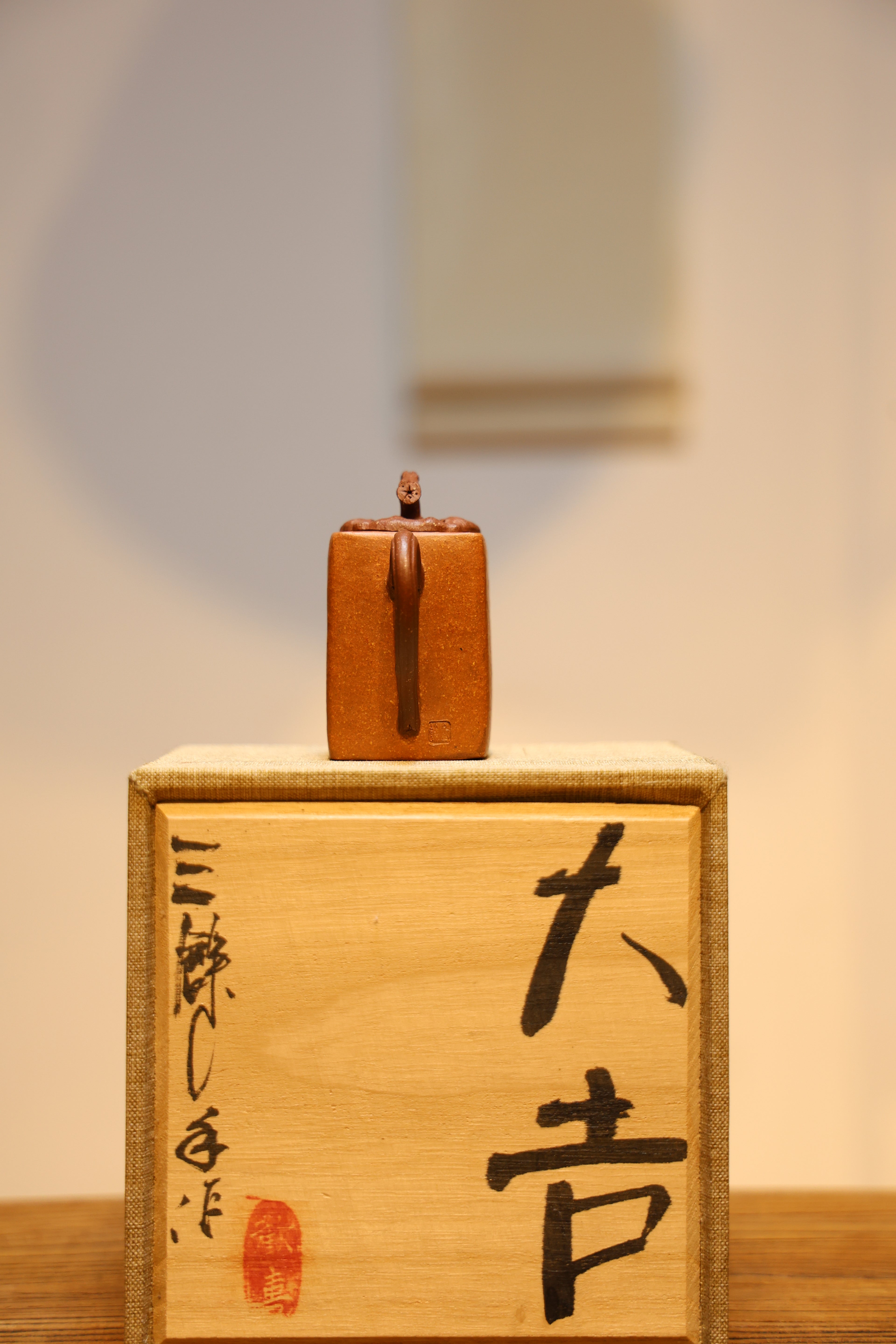
Across the expanse of historic epochs,
Following epochs, collectors have been ensnared by the rare charm of Yixing Zisha teapots. Originating from the locality of Yixing in the mainland, these pieces are renowned for their outstanding beauty, unusual clay, and fundamental ability to elevate the note of the brew. The earth's distinctive maroon hue, combined with the masterful creation of provincial builders, creates artworks that are both functional art and valuable assets. Owning a Zisha teapot is more than just an purchase; it's immersing oneself in a rich heritage heritage.
Decoding Yixing Teapots: Evolution, Classifications, and Significance
The notable Yixing teapots serve as a extensive record deeply intertwined with Chinese culture. Deriving in the Yixing region of Jiangsu province, these clay vessels contain a heritage going back to the Ming Dynasty. Primary examples were functional, but across centuries, Yixing teapot manufacturing evolved into an esteemed art form. The clay itself, known for its unique character and ability to augment the flavor of the tea, remains a defining factor. Yixing teapots arrive in various designs, broadly categorized by shape: Conventional such as Zhuni (purple clay) and Bisheng, as well as specialized designs. The worth of a Yixing teapot is on several factors, including the potter’s acclaim, the age of the piece, the rarity of the clay, and its aesthetic grace.- Record: Ancient times
- Earth: Multiple varieties
- Valuation Parameters: Artisan fame
Zisha Craftsmanship: Skills and Creators
Unique construction of a authentic Zisha teapot is a detailed process, requiring lengthy durations of proficiency. Skilled artisans meticulously gather the best Zisha clay, a rare earth found only in specific regions of China. Classic techniques, often bestowed through families, involve careful shaping, sensitive carving, and deliberate firing in ancient ovens. The culminating teapot isn't merely a holder; it's a testament to artistic vision and the serious connection between the craftsman and their background. Each object showcases the special touch of the creator, resulting in a truly matchless work of expression.
Chinese Earthenware: Discovering the Broad Heritage of the Yixing Territory
Renowned Yixing, set in Jiangsu the territory, is commonly renowned for its exceptional earthenware – a tangible representation of centuries of Chinese creative legacy. These aren't merely vessels for steeping tea; they Yixing Teapot are intricate works of creativity, often reflecting cultural ideals. That unique purple clay, known as Zisha, possesses remarkable qualities: the substance dense, diffusive, and imparts a subtle character to the tea.
- Diverse families have honed the techniques of Yixing jar making, passing down cherished methods through ages.
- Devotees prize these pieces for their charm and uniqueness.
- Various teapot tells a history, connecting the imbiber to a rich foundation.
Exploring Yixing Zisha: What to Look For
In the process of assessing investing in Yixing Zisha clayware, countless parameters involve careful attention. Initially, the element's cast is essential; authentic Zisha usually exhibits a characteristic carmine depth. Also, evaluate the craftsmanship; precise markings and a sleek coating signify proficient craft. Concluding, consider the creator’s credentials; renowned names command greater values and often provide a better appreciation.
How to Brew Premium Tea with Zisha Clay
Creating sumptuous tea with a Zisha jar is more surpassing a simple practice; it's an science. Zisha clay, distinguished for its unique elemental composition, imparts a refined character to the prepared tea that’s often missing with other containers. The right water thermal condition is fundamental; typically, reduced than what's used for black tea, to save the tea's perfume and palate. Consider attentively the tea variety; delicate green teas or aged pu-erhs advance from the Zisha’s ability to lessen their primitive edge. It’s essential to cleanse the teapot prior to brewing, and to avoid over-steeping. Mastering this procedure leads to a veritably exceptional tea moment.
- Comprehending Zisha Clay
- Water Temperature & Tea Classification
- Benefit of Warming
Looking After Your Distinctive Clay Pot
Intending to sustain the existence of your precious Yixing earthenware, steady maintenance is decisively crucial. Never using harsh substances; instead, mildly rinse it with mildly heated fluid. Avoid sharp heat; refrain set the urn directly onto a scorching surface. Periodically, enrich the clay pot by filtering it with excellent refined beverage, as this promotes to build its profile and defends the unique features of the clay.
Pertaining to Clay to Goblet: The Voyage of a Chinese Ceramic
This creation of a Zisha teapot is a extraordinary technique, a evidence to both the globe's bounty and the skill of the creator. It inaugurates with the selective extraction of the extraordinary clay from the magenta Zisha mines not far from Yixing. This untreated material, known for its exquisite features, is then methodically cleaned and molded for the foundational forming. The pot's configuration is precisely fashioned using a fusion of established wheel throwing processes, often incorporating decorative designs. Following settling, the jar undergoes a indispensable first firing, joined by a polishing stage, which might involve multiple layers of organic Zisha layers. Finally, a second, and sometimes third, firing at robust temperatures realizes the piece, revealing its complete beauty and remarkable characteristics - a bona fide masterpiece, arranged to compliment a tea ceremony.
{Yixing Teapots: A Embodiment of the Custom and Tribute
Famous Yixing teapots, originating from the renowned Yixing region of Jiangsu province, are far more than mere containers for brewing infusions; they represent a significant aspect of Chinese heritage. Produced from distinctive purple clay – zisha – these extraordinary teapots are highly esteemed for their ability to enrich the flavor of the tea and, crucially, for their elegance. The chronicle of Yixing teapot making spans centuries, and the technique involved is relayed through generations, making each teapot a work of art that embodies time-honored techniques and a profound appreciation for the simple pleasures in life.