Throughout enduring chronicles,
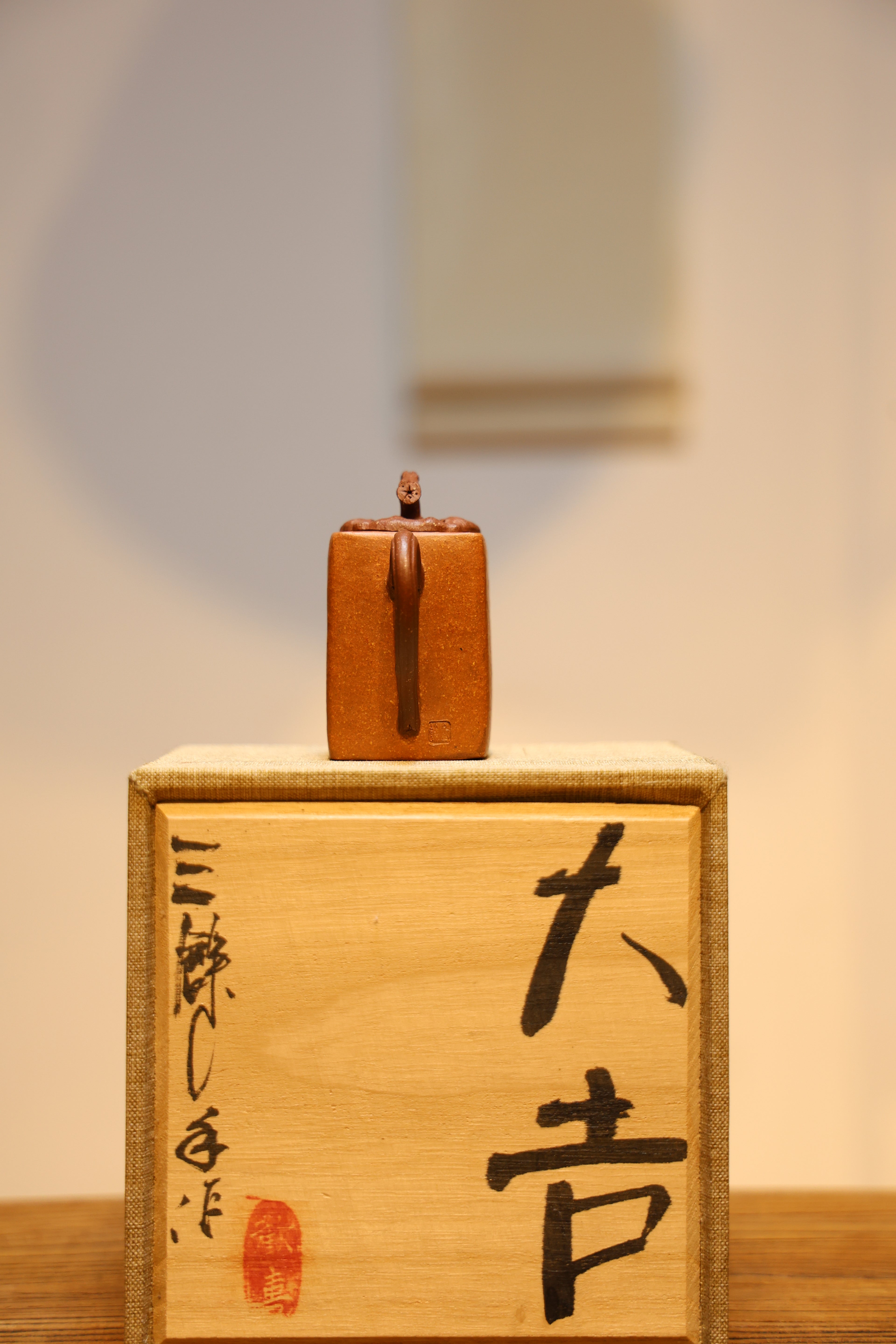
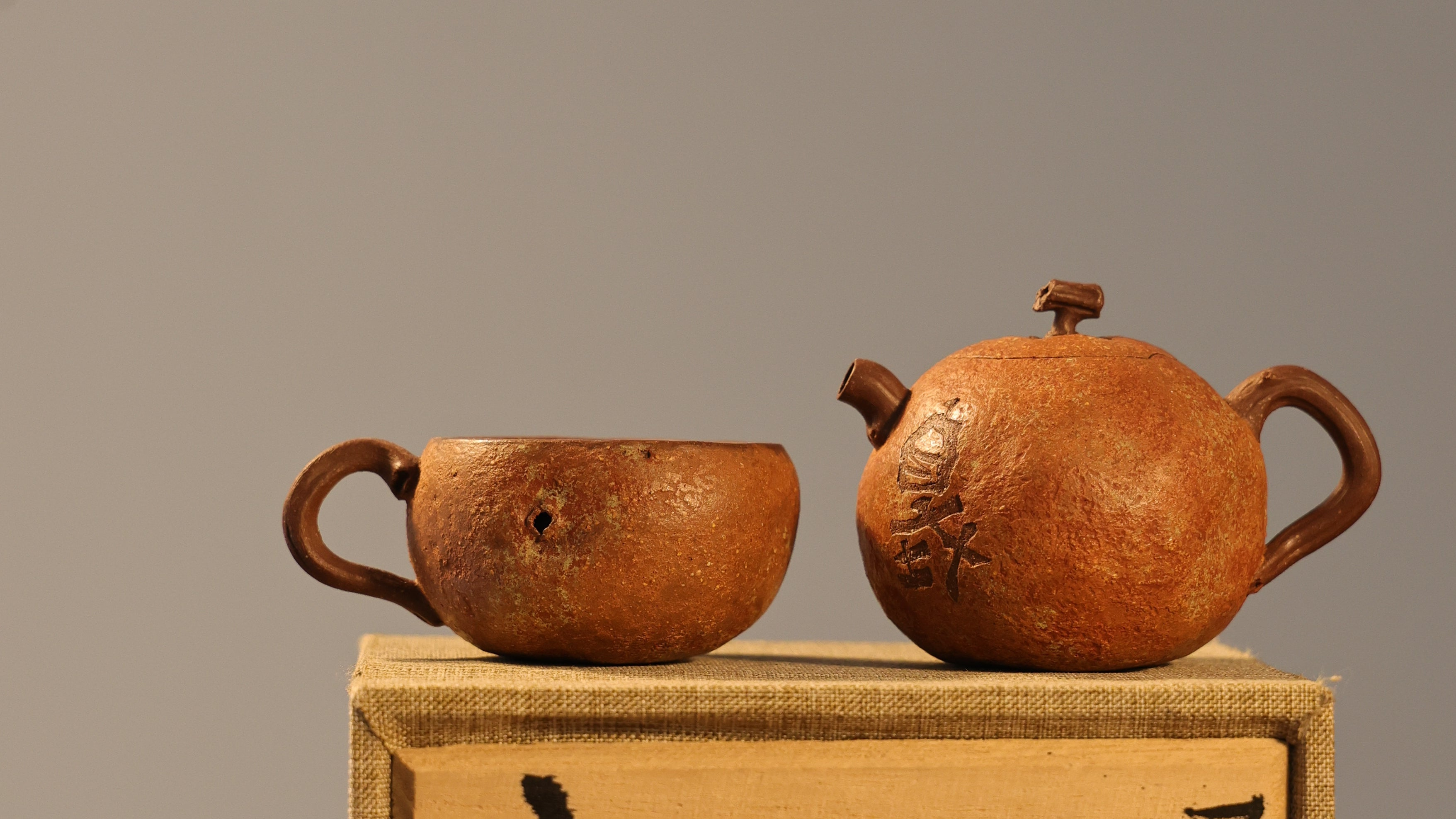
Across centuries, connoisseurs have been enthralled by the uncommon charm of Yixing Zisha teapots. Originating from the locality of Yixing in the mainland, these pots are renowned for their remarkable beauty, limited clay, and innate ability to boost the essence of the concoction. The ground's distinctive mulberry hue, combined with the skillful workmanship of Yixing's artisans, creates artifacts that are as functional artwork and prized possessions. Collecting a Zisha teapot is more than just one purchase; it's accepting a rich traditional heritage.
Exploring Yixing Teapots: Origins, Varieties, and Worth
Famous Yixing teapots stand as a extensive record deeply intertwined with Chinese culture. Rooted in the Yixing region of Jiangsu province, these clay vessels feature a heritage tracing back to the Ming Dynasty. Primary examples were functional, but amidst centuries, Yixing teapot manufacturing evolved into an esteemed art form. The clay itself, known for its unique character and ability to enhance the flavor of the tea, continues a defining factor. Yixing teapots surface in various models, broadly categorized by shape: Standard such as Zhuni (purple clay) and Bisheng, as well as unique designs. The worth of a Yixing teapot centers on several factors, including the potter’s distinction, the age of the piece, the rarity of the clay, and its aesthetic charm.- Heritage: Early periods
- Clay: Several sorts
- Cost Determinants: Craftsman's renown
Zisha Claycraft: Techniques and Makers
The assembly of a real Zisha teapot is a intricate process, requiring multiple cycles of practice. Accomplished artisans meticulously gather the best Zisha clay, a distinctive earth found only in specific regions of China. Heritage-based techniques, often handed down through families, involve precise shaping, nuanced carving, and unhurried firing in ancient fireplaces. The ultimate teapot isn't merely a vessel; it's a testament to inventive vision and the profound connection between the fabricator and their tradition. Each artifact showcases the unique touch of the specialist, resulting in a truly matchless work of art.
Historical Teapots: Delving into the Deep Cultures of the Yixing Region
Esteemed Yixing, situated in Jiangsu the area, is widely renowned for its exceptional ceramics – a tangible representation of centuries of Chinese art. These aren't merely vessels for Yixing Teapot making tea; they are intricate works of craft, often reflecting historical ideals. That unique purple clay, known as Zisha, possesses remarkable qualities: the substance dense, diffusive, and imparts a subtle character to the tea.
- Diverse families have honed the techniques of Yixing ceramic making, passing down time-honored methods through generations.
- Aficionados prize these pieces for their attractiveness and rarity.
- Some jar tells a anecdote, connecting the user to a rich background.
Acquiring Yixing Zisha: Crucial Elements
Upon considering purchasing Yixing Zisha pots, diverse points involve careful scrutiny. First of all, the substance's cast is essential; authentic Zisha usually exhibits a unique rust-colored hue. Furthermore, investigate the execution; meticulous traits and a clean surface indicate talented artistry. Ultimately, determine the creator’s standing; well-known names earn enhanced fees and often grant a secure profit.
Mastering Tea Brewing Using a Zisha Pot
Preparing exquisite tea with a Zisha vessel is more than a simple process; it's an technique. Zisha clay, recognized for its unique chemical composition, imparts a light character to the processed tea that’s often not found with other vessels. The correct water warmth is essential; typically, lower than what's used for black tea, to sustain the tea's odor and note. Consider meticulously the tea selection; delicate green teas or aged pu-erhs thrive from the Zisha’s ability to reduce their fundamental edge. It’s essential to preheat the teapot prior to brewing, and to avoid over-steeping. Mastering this procedure leads to a veritably exceptional tea occasion.
- Comprehending Zisha Clay
- Thermal Measure & Tea Sort
- Necessity of Preheating
Protecting Your The Kettle
To ensure prolong the longevity of your esteemed Yixing kettle, regular management is truly essential. Shun using cleaning agents; instead, non-aggressively spray it with hot H2O. Refrain from sudden variations; don't deposit the vessel directly onto a glowing platform. Periodically, season the pot by steeping it with superior matured brew, as this helps to increase its character and shields the unique features of the clay.
Pertaining to Clay to Goblet: The Voyage of a Chinese Ceramic
This creation of a Zisha teapot is a impressive method, a proof to both the earth's bounty and the craft of the artisan. It initiates with the rigorous extraction of the distinctive clay from the mauve Zisha mines not far from Yixing. This natural material, known for its magnificent qualities, is then gradually filtered and prepared for the primary forming. The jug's shape is carefully developed using a concoction of ancient modeling strategies, often incorporating intricate embellishments. Following ripening, the jug undergoes a critical first firing, preceded by a varnishing stage, which might involve a series of layers of pure Zisha coatings. Finally, a second, and sometimes third, firing at extreme temperatures finishes the product, revealing its resolved beauty and exceptional characteristics - a authentic masterpiece, set to beautify a tea tradition.
{Yixing Teapots: A Exemplar of a Culture and Admiration
Renowned Yixing teapots, originating from the distinguished Yixing region of Jiangsu province, are far more than mere earthenware for brewing liquids; they represent a substantial aspect of Chinese identity. Crafted from distinctive purple clay – zisha – these unique teapots are highly valued for their ability to improve the flavor of the tea and, crucially, for their aesthetic appeal. The tradition of Yixing teapot making spans centuries, and the expertise involved is transmitted through generations, making each teapot a masterpiece that embodies long-established techniques and a profound appreciation for the modest pleasures in life.