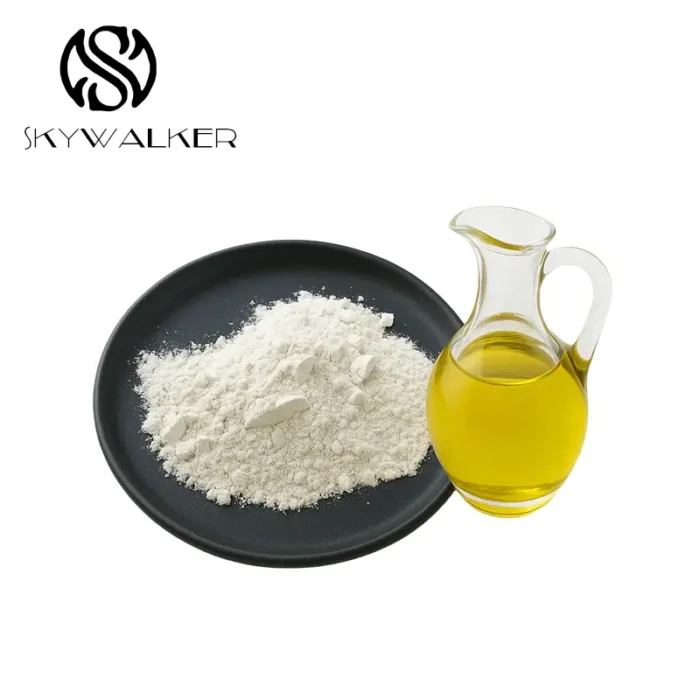
Grasping treated bleaching material obligates a deep study of its attributes. This noteworthy element is widely deployed in the filtration of petroleum products, adeptly eliminating pollutants. The modification technique typically involves physical treatment, amplifying its retaining ability to retain colored molecules. At last, this guide will investigate the concepts behind refined bleaching soil and its benefits.
Bleaching Material Distributors: Locating the Appropriate Firm
Establishing a reliable firm of whitening compound is essential for many fields, particularly those involved in fat refining. Determining the appropriate supplier requires thorough consideration beyond just sum. Consider their credentials in clay distribution, their standards procedures, and their capability to consistently accommodate your demand needs. A reliable bleaching earth provider will also offer consultation and a array of classes to match your particular application.
An Principle Behind Treated Purifying Clay
Activated bleaching clay, a cornerstone in the refining operation for edible oils, functions through a fascinating amalgamation of concrete and chemical engagements. Initially, naturally occurring kaolinite is activated – a operation involving heat and agents – to drastically increase its surface surface. This expanded surface provides an immense number of points for the particular adsorption of color pigments, undesirables, and negative odor compounds. The mechanism is primarily molecular adhesion, where molecules are held by weak van der Waals attractions, though some chemical adsorption can also proceed with certain ingredients. This results by a significant lessening of color and improvement of the oil's condition and bouquet.
Refining Clay: Earth - Parameters and Employments
Refining element, frequently designated white clay, possesses unique traits that enable it highly desirable across diverse range of domains. Its chief attribute is its notable clarity, originating from its decreased metal content. This trait allows it favored for purposes demanding a shining appearance. Other than its hue, decolorizing material is primarily gentle and retains fine formability, enabling it to be conveniently molded. Usual applications involve paper fabrication, compound fortification, drug preparations, toiletry products, and as an sorptive factor in multiple technological processes. Besides, it finds utilization in pottery and lacquer branches.
Picking the Perfect Modified De-colorizing Compound for Selected Needs
Determining the right activated bleaching earth can be a complicated task, as numerous activated bleaching earth manufacturer applications necessitate unique properties. Weigh the type of product you’re managing; some compounds are improved for plant oils, while various forms are configured towards livestock fats. Factors like surface area and filtering ability considerably influence operation.
- Consider the color and scent level of the substance to specify the required refining standard.
- Evaluate the dispersion; finer particles generally provide increased surface area, but may cause clarification challenges.
- Recognize the liquid amount as it modifies the mineral’s refining strength.
Purifying Substance: Processing Methods and Quality
The creation of bleaching earth, a widely utilized factor for oil refining and chemical purification, involves several key movements. Initially, kaolinite is harvested and then subjected to preparation via heat application and/or chemical modification. This practice enhances the capturing properties of the substance. Later, rigorous quality tests are implemented, consisting of assessments of grain size orientation, crude adsorption capability, and dampness percentage. State-of-the-art analytical processes, such as surface area analysis and certified evaluation, are used to verify a uniform commodity that corresponds to stringent provisions.
Green Sourcing of Treated Bleaching Compound
The growing demand for activated bleaching earth presents a fundamental challenge regarding its manufacturing and environmental impact. Established sourcing methods can cause habitat deterioration and diminishment of natural resources. Consequently, a shift towards sustainable sourcing is urgent. This involves prioritizing practices like greening of mined areas, employing waste debris from other industries for creation, and assisting indigenous communities to support ethical and conscientious mining methods. Furthermore, validation schemes and detailed inspection processes are crucial to confirm that the compound is obtained in a truly renewable manner. Concerns should also include lowering heat consumption during processing and fluid usage.
- Land rehabilitation efforts
- Employing waste materials
- Cooperating with local communities
- Certification schemes
Purifying Mineral Company Database: Leading Enterprises Sorted
Locating a solid substance distributor can be a hurdle, but our comprehensive guide aims to expedite the process. We’ve carefully assembled data and ordered leading providers in the bleaching earth industry. This directory highlights important producers known for their merit and backing, allowing purchasers to discover the leading source for their customized needs. Diverse factors, including manufacturing scale, portfolio, and endorsements, were copyrightined in determining these dominant positions.
Grasping Activated Bleaching Earth Performance Metrics
To efficiently measure the caliber of activated bleaching earth, it’s paramount to know key effectiveness metrics. These indicators often include color number, typically measured using a colorimeter, which represents the earth’s ability to lighten color from oils. Moreover, acid level is vital, as it impacts the bleaching process; a higher volume usually associates with improved purification capabilities. Finally, binding area, often analyzed via BET analysis, immediately impacts the earth’s capacity to capture colorants, ultimately controlling its overall lightening strength.