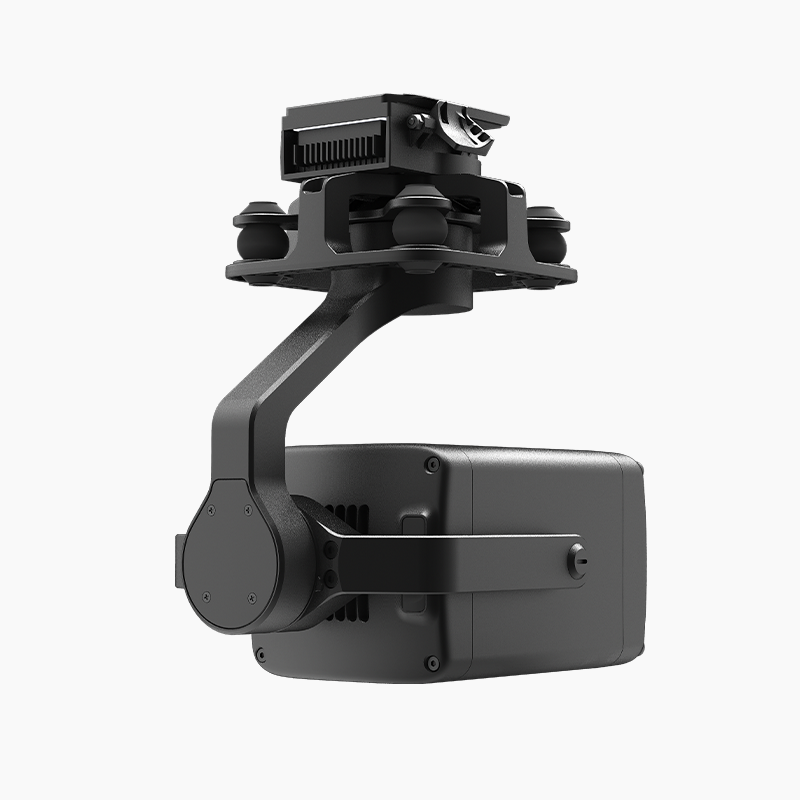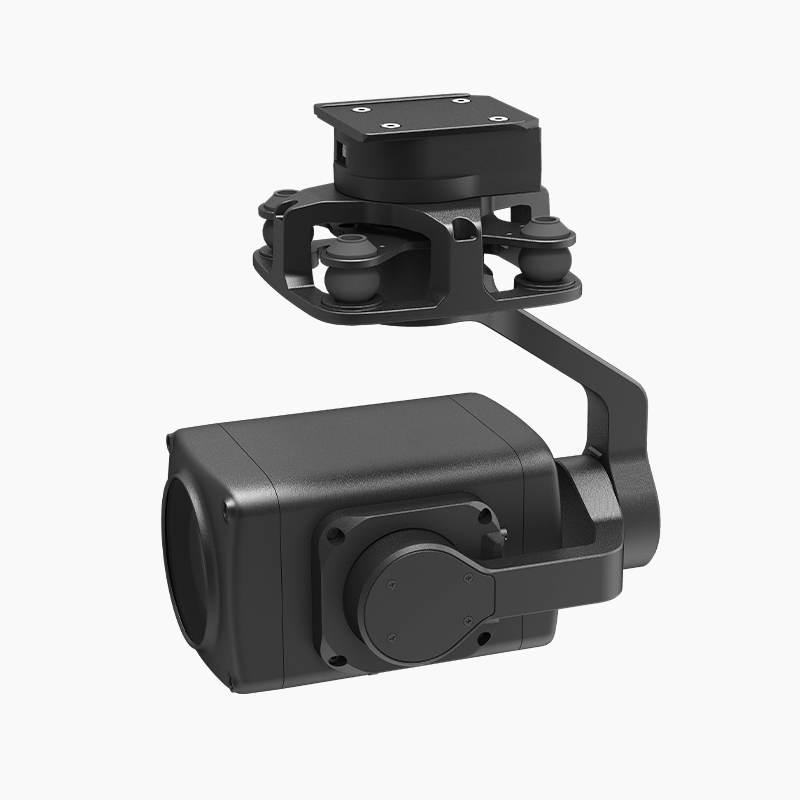
Presenting in particular complete overview involving stabilization methods and radiation monitoring for robotic vehicles.
Balancer Applications in Flying Machine Observation Innovations
Robotic units are experiencing remarkable developments in camera equipment. Sophisticated gimbal mechanisms now facilitate incredibly reliable footage, under turbulent environments. Furthermore, the combination of thermal vision offers extraordinary opportunities for scrutiny in fields like agriculture, supplying valuable metrics beyond what typical light cameras can perceive. These combined technologies are drastically revolutionizing the field of aerial capture.
Viewing into the Night: UAV Optics with Dark-View & Balancing Systems
The up-to-date landscape of unmanned aerial systems is being renewed by advancements in camera capabilities. Specifically, the combination of night vision technology and precise gimbal platforms allows for unprecedented detail during nighttime activities. These effective cameras, often utilizing infrared technology, can transcend darkness, providing crucial metrics for defense purposes. Likewise, the gimbal platform smoothly minimizes trembling, resulting in noticeably steady footage even in difficult conditions. Aspects like sharpness and refresh rate are increasingly important for top output.
- Expanded Circumstantial Insight
- Enlarged Scope of Deployment
- Detailed Material Accumulation
Pilotless Craft Camera Assessment: Balanced, Heat Imaging, Long-Range & Evening Perception
Selecting the best drone camera represents a demanding judgment. Think about the varied models available: steadied systems offer smooth, superior footage; radiometric cameras perform in limited conditions by tracking heat sources; adjustable lenses grant you to increase distant points; and gloomy vision systems utilize refined techniques to record imagery in deficient light. The best combination rests on the planned mission.
That Future of Pilotless Imaging Instruments: Merging Heat-Sensing & Twilight Monitoring
Traditionally, Pilotless cameras specialized on visible light recording. However, latest applications in areas especially surveillance & emergency compel expanded monitoring insight. Fusing infrared devices alongside dark detection properties provides controllers a essential edge, facilitating them to detect items hidden from uav gimbal camera conventional luminescence. This union highly enhances reconnaissance success across a vast spectrum of uses.Dampening Stability Amalgamates with Thermal Vision: A Revolutionary Era for UAV Imaging
Certain emerging epoch dedicated to flying photography started, inspired thanks to the meeting among sophisticated support designs and detailed heat observation. The blend provides operators to record more precise thermal details via aerial platforms, while coping with harsh surrounding cases, unlocking new possibilities across various industries such as maintenance, rescue or precision agriculture.
Drone Camera Magnification Capabilities: Juggling Range & Night Vision
Advancements in Drone technology are constantly improving camera zoom attributes, but a decisive challenge involves adjusting coverage and twilight observation. Extending such magnification to capture removed objects often undermines glow sensitivity, resulting in clear dark imagery arduous. Designers are considering advanced approaches, like advanced visual blueprints and processing upgrades, to curb noted drawback and deliver well-defined imagery at diverse ranges, even under deficient glow environments.
Selecting that Ideal UAV Camera: Suspension, Temperature, & Optical Range Parameters
While selecting that UAV sensor, varied vital points need to be judged. This stable gimbal is necessary for clear airborne filming , largely in gusty conditions. Thermographic imaging systems furnish important awareness for uses like scrutiny and rescue tasks. Finally, optical range functions allow precise scenes of subjects, nonetheless greater telephoto capability often induces decreased picture sharpness and entails additional luminosity.
{Night Vision UAV Cameras: Enhanced Surveillance with Dampening Support
Up-to-date unmanned aerial vehicles are changing security engagements with the addition of night vision instruments. Decisively, gimbal stabilization ensures exceptional consistency for the visual unit, facilitating clear shots even in adverse conditions or during flight maneuvers. This capability substantially upgrades scanning effectiveness and gives a vital plus for officers and numerous associations requiring reliable nighttime imaging.
Cutting-edge Unmanned Observation Setups: Fusing Telephoto Heat-Sensing & Night Vision
Modern drones are consistently equipped with cutting-edge camera configurations that outperform basic imaging. These cutting-edge solutions commonly utilize a fusion of effective technologies, featuring variable focal capabilities for precise inspection, heat imaging to reveal thermal anomalies, and night vision technologies to assist operation in complex scenarios. This amalgamation provides experts with a notable asset in diverse fields, from disaster relief to asset management and perimeter monitoring.